How to sell a written-off car in NSW
By Newcastle Auto Wreckers
A written-off car is not just an ordinary used car with visible damage. Before accepting an offer, establish its status, who owns it and whether your insurer still has an interest in it. These checks can prevent a sale that you are not entitled to make.
Understand what written-off means
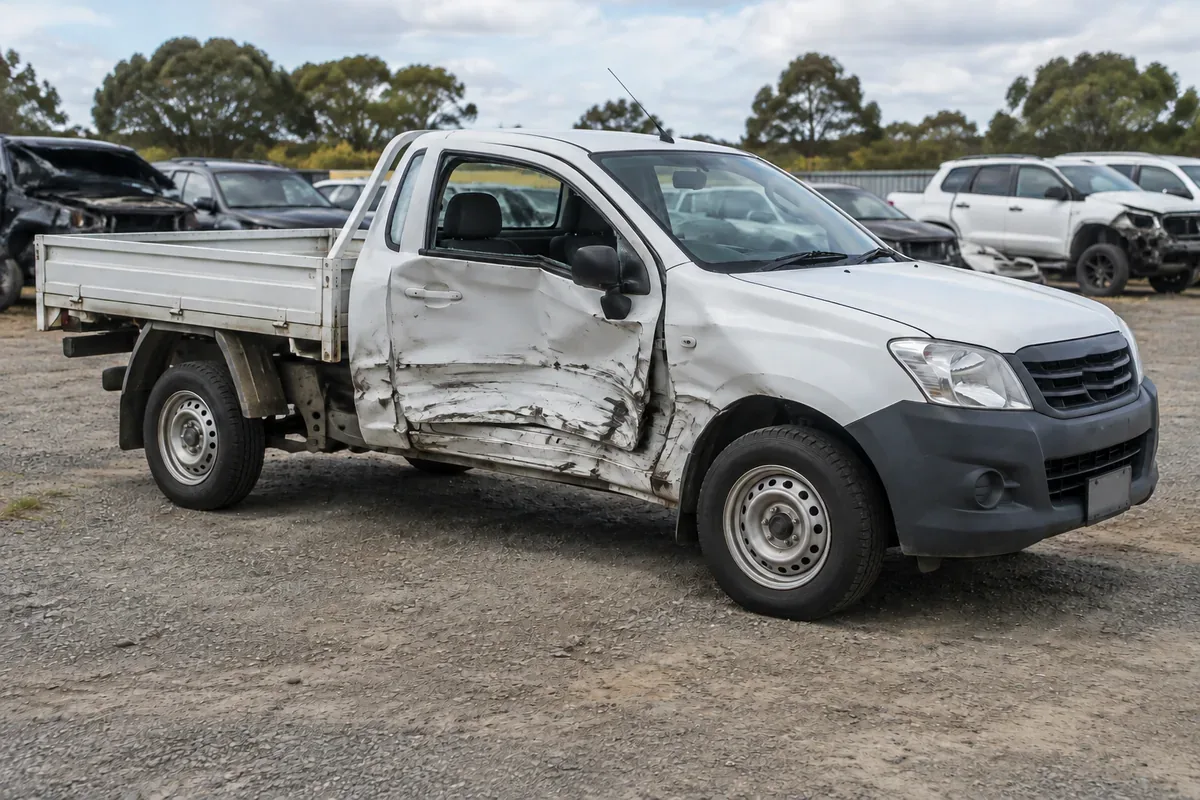
A car may be assessed as a total loss because the cost of repair is too high relative to its value, or because the damage makes repair inappropriate. “Written off” is an insurance or registration classification, not a description you should guess from the appearance of a dent. Check the insurer’s paperwork and the NSW written-off vehicle guidance to understand the recorded status of your actual vehicle. The rules distinguish different circumstances, and a vehicle’s previous registration does not guarantee it can return to the road.
NSW has strict rules for written-off vehicles. Do not advertise a written-off vehicle as ready to register, or assume that repairing it will make registration available. Limited exceptions and authorisation requirements can apply. If you are thinking about repair rather than selling for parts or recycling, seek current advice from Transport for NSW before spending money. A wrecking-yard quote should be considered separately from any decision about road registration.
Resolve the insurance claim first
If an insurer has paid a total-loss settlement, check whether ownership of the salvage passed to the insurer. You cannot sell a car merely because it remains parked at your home. Read the settlement terms and obtain confirmation about who is entitled to dispose of it. If you retained salvage as part of the settlement, keep the paperwork showing that arrangement. If a claim is still open, ask the insurer before organising any collection or dismantling.
A vehicle with finance introduces another question: an outstanding secured debt may need to be cleared or handled with the lender’s agreement. Being the registered operator is not always the same as owning the vehicle free of another interest. Tell the buyer about finance or a pending insurance matter before asking them to collect. Resolving these issues up front is better than having a tow truck arrive when the sale cannot proceed.
Prepare a truthful description
Send the make, model, year, location and known written-off status with your quote enquiry. Explain the damage, whether the engine starts, whether the car rolls and steers, and whether wheels or major components are missing. A photo of each side plus close-ups of the damage helps the yard assess usable parts and collection requirements. Photograph the vehicle safely; do not start a damaged engine solely to demonstrate that it runs.
Mention fire damage, flood exposure, deployed airbags or leaking fluids if you know about them. An electric or hybrid vehicle with battery damage needs particular care; do not touch exposed high-voltage components or try to move it without advice. Accurate information supports a more useful offer. It also lets the collector assess whether ordinary towing equipment is suitable or whether special handling needs to be arranged.
Compare the offer, not just a headline number
Written-off cars can have value in usable components and metal, but not every damaged car has the same parts demand. Ask for the amount offered for your described vehicle, whether towing is included, and whether there are access or condition assumptions. If it is heavily stripped or difficult to reach, say so before agreeing. A clear agreed price with collection included is more useful than an advertised maximum that does not apply to your car.
At Newcastle Auto Wreckers, collection offers include free towing within the agreed service arrangement. You are paid on the spot — cash or instant bank transfer, your choice. Confirm the amount and payment method before handover. A quote is not a confirmed collection booking. Submit an online enquiry and wait for the thank-you message, or contact the yard directly to request a response.
Keep paperwork and make pickup safe
Have proof of ownership, photo identification and the relevant insurance or salvage documents available. Ask the buyer what records they require for this transaction. If you are acting for an owner, estate or business, establish your authority to sell before collection. Keep a record identifying the vehicle, buyer, amount and handover date. Do not hand over a car if important ownership questions remain unresolved.
Remove personal belongings, toll tags and identifying documents from the cabin. Tell the collector about narrow driveways, low clearance, soft ground or a car that cannot roll. Keep children and other people away from loading equipment. Follow Service NSW instructions for registration cancellation, plates and disposal records as they apply to your vehicle; insurance write-off, towing and registration administration are different processes. Keep copies of the documents you submit.
Ask before making an irreversible decision
For customers in Newcastle, the Hunter and the Central Coast, an unwanted written-off car can often be collected without you paying separately for a tow to the yard. Start with its actual condition and location, not a promised resale value. If you are unsure about insurance ownership or registration status, resolve that first. This guide is general information, not personalised legal or insurance advice. Use the official NSW guidance and your insurer’s written instructions for the final decision.
Further reading: NSW Government: written-off vehicles