How car wreckers work out what your car is worth
By Newcastle Auto Wreckers
The value of an unwanted car is not determined by age alone. A wrecker looks at what can be recovered, what is in demand and what is involved in collecting the vehicle. Understanding those factors helps you give the right information and compare offers fairly.
Parts value is different from used-car value
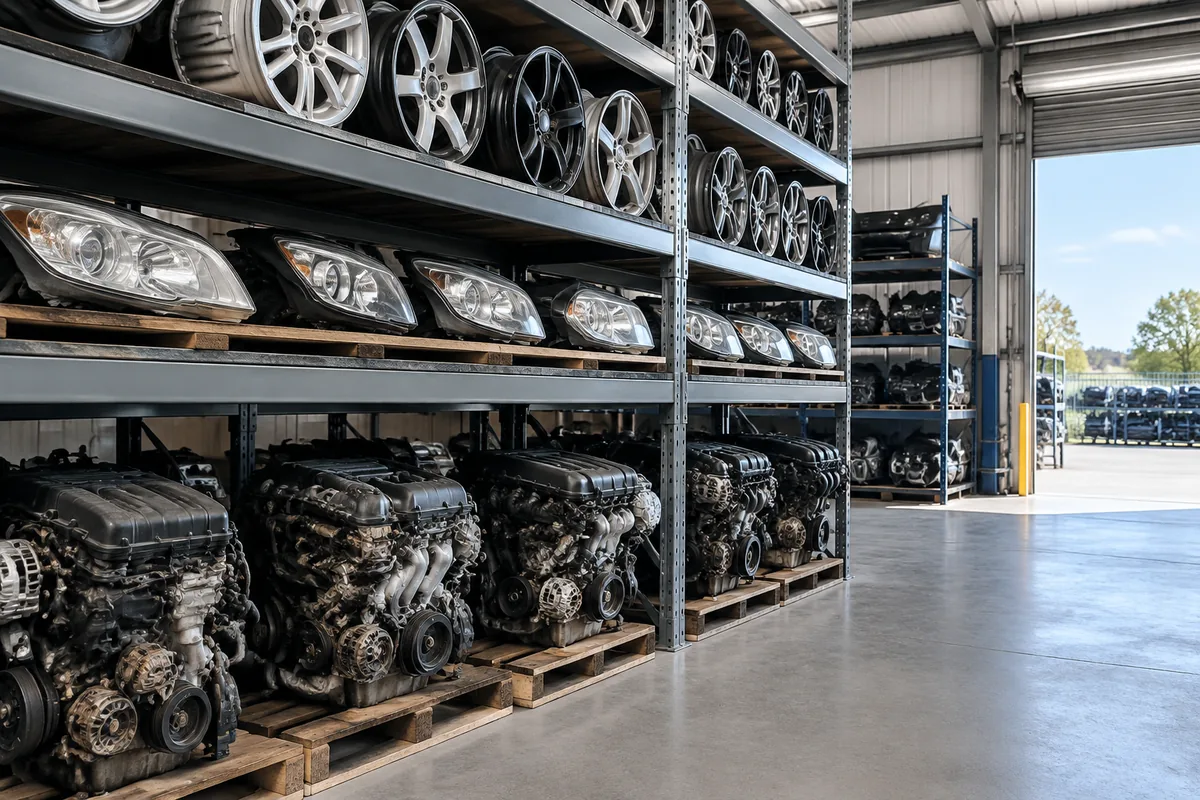
A car that is uneconomical for you to repair can still contain components another owner needs. Engines, gearboxes, body panels, lights, wheels and interior parts may contribute to a wrecking assessment, depending on condition and demand. This is different from pricing a roadworthy car for private sale. A private buyer may value service history and road use; a wrecker is assessing recoverable components and material rather than assuming the complete vehicle will be resold as a working car.
Popular vehicles can have useful parts demand, but popularity does not guarantee a particular offer. A component may have several variants across years and trim levels, and parts already common in stock may attract less demand than scarce ones. The exact make, model, year, engine and transmission help identify the vehicle properly. A broad description such as “an old ute” is a starting point, not enough information for a firm assessment.
Condition determines what can be recovered
An engine that starts is not automatically a good engine, and a damaged car does not automatically have no usable parts. Describe known mechanical faults, accident damage, flood exposure and fire damage. A front impact may affect components differently from a side impact. Interior condition and the state of panels or lights can also matter. Tell the yard what you know rather than attempting unsafe tests or making claims about components you have not checked.
Photos help show the whole vehicle and the damaged areas. Include both sides, front, rear and the interior if possible. If you already have a mechanic’s diagnosis, summarise it clearly. Unknown condition is a normal part of assessing an unwanted car, but it should be described as unknown. An estimate based on clear information is more reliable than an offer based on an assumption that every major component is functioning.
Completeness affects the offer
A complete non-running car and a stripped shell are different collection jobs. Missing engines, transmissions, wheels, catalytic converters or large body parts can change recoverable value. Tell the yard if anything has been removed or is being retained. Do not agree to sell a complete vehicle and then remove valuable components without discussing it. The agreed offer should describe the car as it will actually be handed over.
Keys and the ability to roll or steer are relevant even if the car cannot run. A collector may need different equipment when wheels are missing or steering is locked. Keep loose parts identified and ask whether they form part of the purchase. If you intend to keep an accessory, remove it safely before assessment or make that intention clear. Being precise avoids a disagreement at pickup about what the offer included.
Metal value is only one part of the calculation
Vehicles contain recoverable metal, but multiplying a car’s listed weight by a commodity price does not produce a realistic purchase offer. Not all vehicle weight is recoverable metal, and processing involves time, equipment and handling. Material prices can change, while the condition and demand for reusable parts also affect an assessment. A heavily damaged shell may be assessed mainly for material; another car may have a greater contribution from usable components.
There is no honest universal calculator that can promise an exact offer for every car without its details. Be cautious about treating a promotional “up to” amount as a minimum price. Ask for an offer for your particular vehicle, including its condition and location. The useful number is the amount you can actually receive under clear agreed terms, not the largest number in an advertisement.
Collection access and vehicle size matter
A car on a hard, open driveway is different from a truck behind a low gate or a shell sitting on soft ground. Share the suburb, access width, clearance and whether the vehicle rolls. Larger commercial vehicles may need different collection arrangements. A vehicle in an underground car park, on a steep slope or blocked by other cars needs a discussion before a pickup time can be agreed.
Newcastle Auto Wreckers offers free towing within the agreed collection arrangement across its service area. Tell us about access difficulties before accepting an offer so the towing requirements are understood. Same-day pickup may be possible, but it depends on the vehicle, access and schedule. A quote and a booking are separate: confirm the collection window and payment method with the yard before planning your day around a truck arrival.
Make your enquiry easy to assess
Start with make, model, year, suburb, condition and whether keys are available. Add photos and explain any major missing components. Ask what is included in the price, whether anything could change it and what ownership documents are required. If comparing two offers, compare the same vehicle description and towing terms. A vague telephone estimate should not be treated as equivalent to an agreed amount based on full information.
When you accept an offer, you are paid on the spot — cash or instant bank transfer, your choice. Keep a sale record and confirm payment before completing handover. For Newcastle, the Hunter and Central Coast customers, the next step is a direct conversation with the Kurri Kurri yard rather than guessing a value from metal prices. Submit the online form to send your enquiry by email, or contact us by phone or WhatsApp to request an assessment.
Further reading: NSW EPA: motor vehicle industry guidance